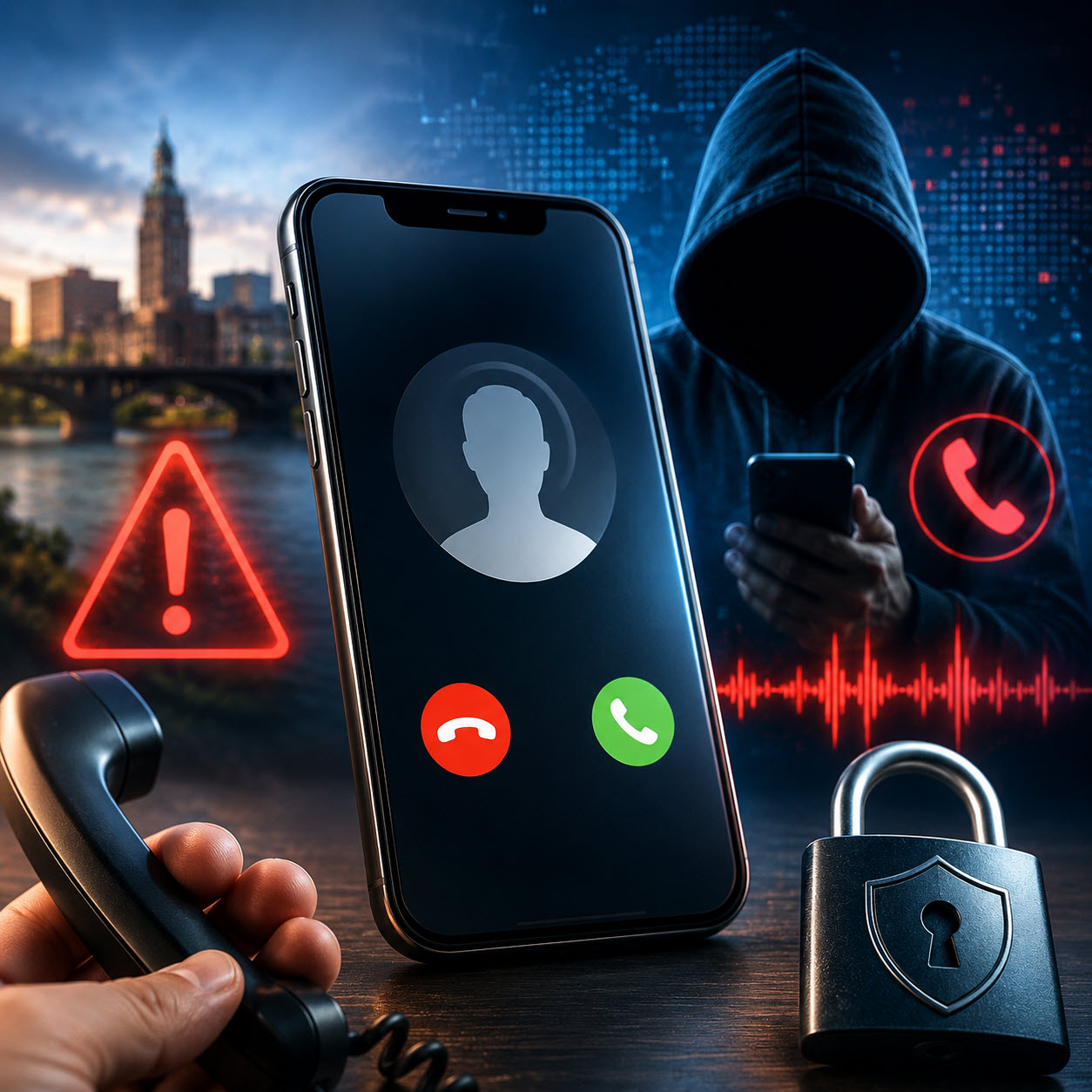
Most people still picture scams as an email problem. Something suspicious arrives in your inbox; you glance at it, delete it, and move on. That mindset does not align with what I see happening now, especially among small businesses and busy households in Springfield, MA.
More and more, the email is just the opening move. The real work begins after the conversation moves to a phone call, text, or messaging app. Once that switch occurs, the guard comes down. It starts to feel like a regular human interaction rather than a security risk, and that is exactly what the scammer wants.
The channel switch is the whole trick.
Many of these scams begin with an email that appears harmless. No money request. No password request. Just something like: can you confirm your number, call me quickly, and reply so we can sort this out?
That is where the trap closes. Email systems may have filters, warnings, and logs. A phone call or text message does not include those same safety rails. Once you are off email, you are mostly relying on instinct, and scammers are very good at steering instinct.
Why smart people still get pulled in
When someone sounds calm, organized, and confident, most people naturally want to help. It can feel uncomfortable to slow things down, especially when the caller sounds rushed or when they act as if you have already talked before.
The request usually fits into your existing weekly routine. Pay an invoice. Confirm a bank detail. Update a vendor. Help a coworker. Nothing feels extreme at first. The urgency creeps in a little at a time, and the authority is carried through tone and timing, not a title.
By the time the request becomes sensitive, you are already in a rhythm of saying yes.
This affects homes and businesses alike.
In business, targets are clear. Payroll changes, wire transfers, gift card requests, vendor payments, password resets, and account access. But the same pattern affects home users as well.
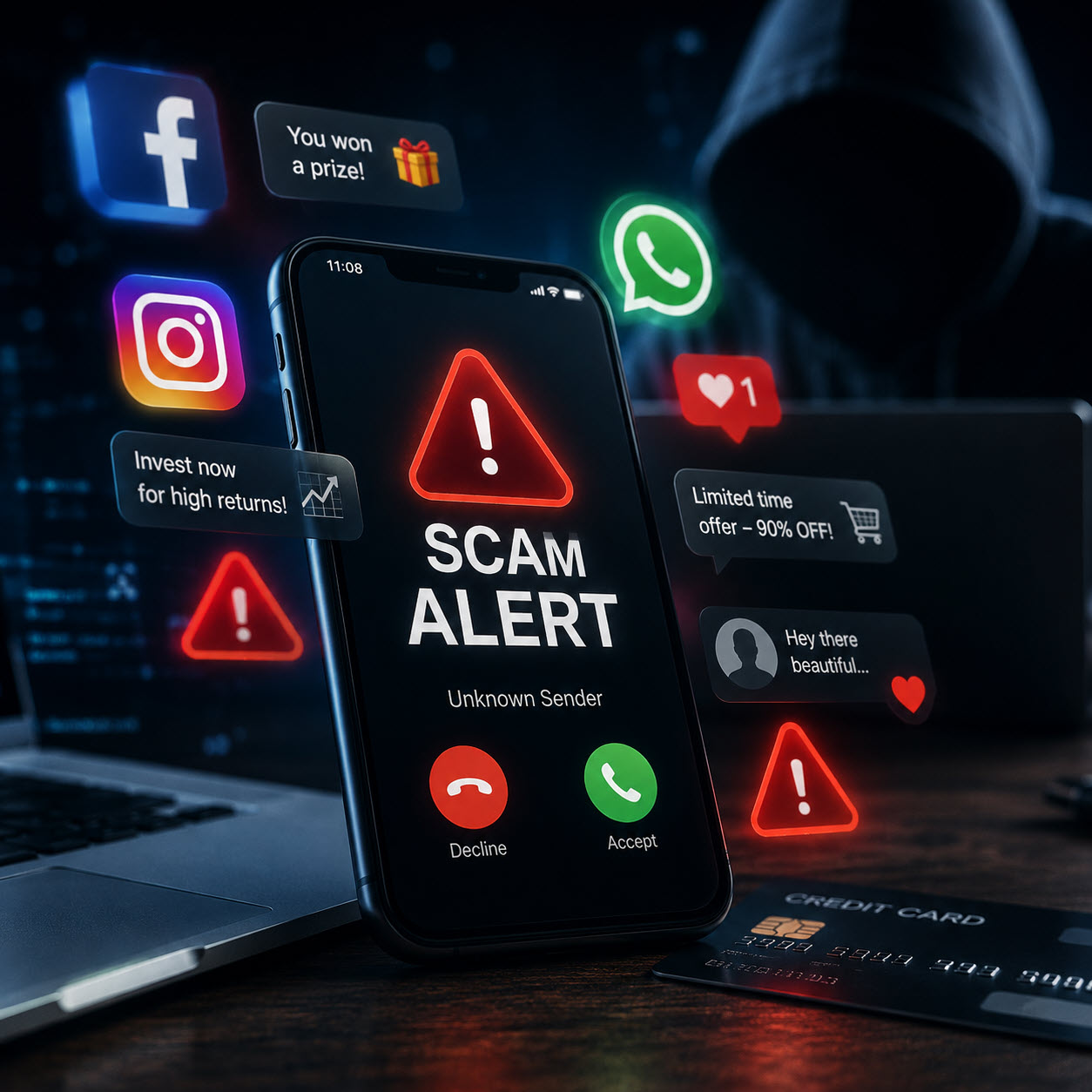
Bank alerts. Package delivery messages. Utility notices. Subscription renewals. Even messages pretending to be a family member with a new phone number. The playbook is identical. Start with one channel, push you to another, then use trust to replace verification.
The difference is often the dollar amount, not the method.
Why do the messages sound more believable now?
One reason these scams land is that the writing is better than it used to be. The messages are more explicit, longer, and feel more natural. Some even look like they belong in an existing thread, with just enough context to feel familiar.
That makes the old warning signs less valuable. People were trained to spot sloppy grammar. They were not trained to question a polished message that sounds like a real person doing real work.
Where things usually go wrong
When someone replays the situation later, there is rarely one giant red flag. It is usually a chain of small, reasonable steps that make sense in the moment.
Replying once. Taking a quick call. Confirming a detail. Clicking a link to “verify” something. Sharing a code because the person on the phone said it is required. Each step feels routine until the result is not.
The missing step is almost always the same—verification using a trusted method you already have, not the same channel that contacted you first.
Simple rules that actually reduce risk
Tools help, but the process matters more once the conversation moves beyond email. Here are practical rules I recommend for clients in Springfield, MA, and Longmeadow:
- Treat texts and phone calls like email. Same level of skepticism
- Never approve money movement based on a call or text alone
- Verify using a known number or a known contact method from your records
- Do not trust inbound urgency. Slow it down on purpose
- Never share one-time codes. No honest company needs you to read those to them
- Use a second-person check for payments over a set dollar amount
- If the request involves access, passwords, or billing changes, stop and verify first
Scams work because they blend into normal behavior. The goal is not paranoia. The goal is a few small checks that make it hard for a scammer to turn a helpful moment into an expensive mistake.
If you'd like, I can help you set up a simple verification process for your team and basic cybersecurity hardening to make your email and accounts harder to impersonate.